
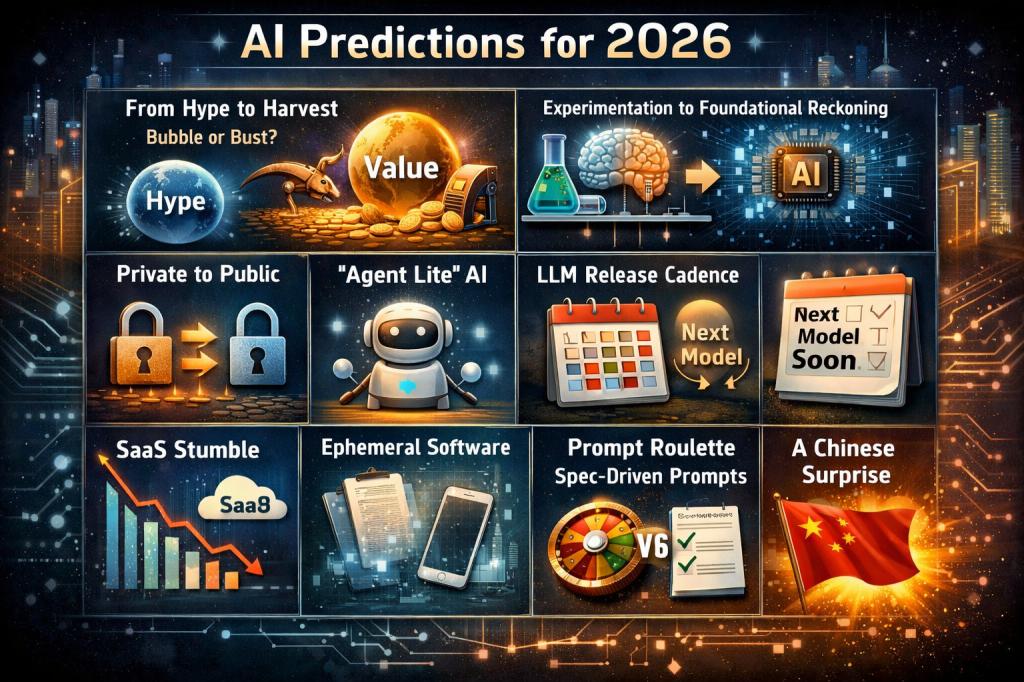
Predicting the direction of AI is no simple task. The field evolves so rapidly, and its impact spans so many disciplines, that no single vantage point can capture the full picture. Every organisation, researcher, and policymaker views AI through a different lens shaped by their goals and constraints. Having said that here I’ve listed 10 AI trends where I believe the industry is heading in 2026 based on my lighthearted weekend research.
Trend #1 From Hype to Harvest | Bubble or Bust

First let’s address the elephant in the room. We know over the past few years, unprecedented investment has poured into AI startups—some driving genuine breakthroughs, others built on market hype. This level of spending isn’t sustainable indefinitely. As we move through 2026, investors will increasingly demand measurable returns rather than moonshot promises.
Insight: The “Bubble” isn’t necessarily bursting; it’s deflating into a more sustainable shape. We are moving away from “AI for the sake of AI” toward AI for the sake of ROI.
Trend #2: From Experimentation to Foundational Reckoning
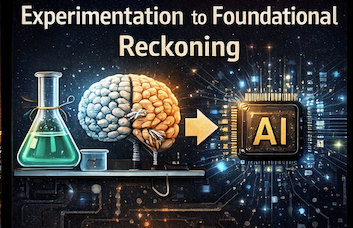
After a year of widespread experimentation, 2026 marks the beginning of a foundational reckoning for AI. CTOs are shifting focus from rapid prototypes to long-term, sustainable strategy—investing in the data fabric that underpins true intelligence. Capturing context from diverse sources and constructing a unified, dynamic knowledge layer—through technologies like vector databases, graph DBs, and knowledge graphs—will be essential for organisations seeking to move beyond surface-level AI adoption toward genuine, context-aware capability.
Trend #3 From Private to Public

2026 may mark a turning point where leading labs transition from private to public markets. The immense capital demands and investor pressure for liquidity will likely push several players to prepare for IPOs. I also expect to see a wave of consolidation, as smaller AI labs are acquired by larger players seeking talent or proprietary models. At the same time, major labs will pivot toward aggressive monetization strategies—particularly through advertising to meet intense revenue expectations.
Trend #4 ‘Agent Lite’ rather than Agentic AI
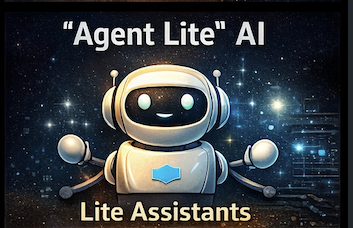
In 2026, AI will shift from mimicking human workflows to augmenting them—ushering in the era of “Agent Lite.” Rather than fully autonomous agents that replicate entire processes, the focus will be on systems that coordinate tasks and enhance human productivity through context-aware, semi-autonomous assistance. This pragmatic evolution favours collaboration over imitation, making AI a true partner in execution rather than a replacement.
Trend #5: Layoffs or Hires
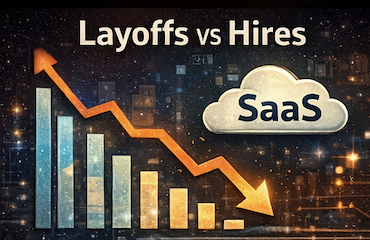
The talent landscape for 2026 remains uncertain. Economic pressures, shifting business priorities, and the integration of AI into core operations will all influence whether organisations hire, restructure, or retrain. Some sectors may see layoffs driven by market corrections, while others will invest in upskilling existing teams to work alongside AI systems. Compared to 2025, the year ahead promises even greater volatility in how companies balance efficiency with human capability.
Trend #6: LLM Release Cadance
One key lesson from 2025 is that major, hype-driven LLM releases aren’t always the best path forward. In 2026, we’re likely to see a shift toward smaller, more frequent incremental updates, favouring stability and iterative improvement over spectacle. Yet this approach brings a double-edged challenge: meaningful performance gains may be harder to demonstrate, and with open-weight models from groups like DeepSeek and Meta closing the gap, the competitive distinction for leading labs could narrow significantly.
Trend #7: SaaS Stumble

In 2026, many small and mid-sized enterprises will begin rethinking their dependence on sprawling SaaS platforms. As businesses realise, they use only a fraction of most offerings—often 20% to 30%—they’ll increasingly pivot toward built-in AI coded solutions tailored to their specific workflows. This shift marks the beginning of a more selective, efficiency-driven approach to software adoption, challenging the one-size-fits-all SaaS model.
Trend #8 Ephemeral Software Explosion
2026 will see an explosion of ephemeral software—applications generated on demand and customised for short-lived, specific needs. With AI capabilities now embedded in most website and app builders, anyone can rapidly create functional tools through natural-language prompts. This trend will fuel the rise of new AI app marketplaces, where lightweight, disposable software becomes a common way to solve problems, experiment, and prototype at unprecedented speed.
Trend #9: Prompt Rollet vs Spec Driven Prompting

2026 will bring a shift from ad hoc prompting to more structured, spec-driven approaches. The limitations of freeform prompts for complex coding and reasoning tasks became clear in 2025. Spec-driven prompting—where detailed intent and end goals are defined upfront—will emerge as a more reliable way to guide LLMs, bridging the gap between human intent and executable precision.
Trend #10: A Chinse Surprise

It’s hard to ignore the growing possibility of a major breakthrough emerging from one of China’s leading AI labs in 2026. Since DeepSeek’s release, the landscape has been relatively quiet, but momentum is building. The scale and ambition of Chinese research programs suggest something significant may be on the horizon. Much, however, will hinge on the outcome of the April trade negotiations and whether access to advanced chips like the H200 is granted.
Of course, the only real certainty is that 2026 will be a fun year mixed with execution & experimentation; whether these predications come true or not am excited.
 Techie Ranch
Leave a comment